
Athleisure Shoes: Best Pairs to Match Your Gym Wear
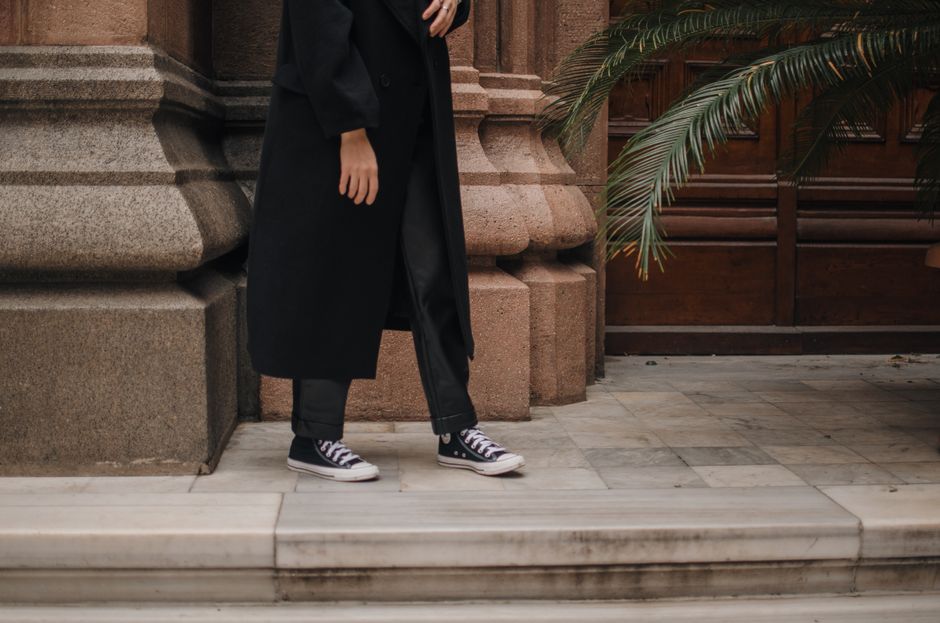
You already have the leggings, the shorts, the hoodie and the tee. The athleisure shoes are what finish the outfit, and they are usually the piece people leave until last. A good athleisure shoe has to do two jobs at once: feel right for the way you actually move, and look right when you walk out of the gym and straight into the rest of your day. Get that balance right, and the rest of your gym wear suddenly looks intentional.
Table of Contents
What Counts as an Athleisure Shoe
Athleisure footwear sits in the space between a dedicated training shoe and a casual sneaker. One buyer’s guide describes athleisure as a matter of balance and versatility, and lists a good fit, plenty of flexibility and breathability among the qualities worth looking for. Retailers tend to make the same distinction. lululemon presents its athleisure footwear collection as combining performance and fashion, while Plaza Shoe Store groups its range under sneakers and everyday sport shoes suitable for the gym, errands and general daily comfort.
Marmi Shoes describes its women’s athleisure shoes as having a cushioned sole for comfort and a sleek build for a sporty, on-the-go look. That combination is the whole idea. Cushioning keeps you comfortable on your feet, and a clean silhouette keeps the shoe wearable with more than one outfit.
The Qualities Worth Checking Before You Buy
Most athleisure buying decisions go wrong in the same way: the shoe looks good in the photo, so it gets bought, and the fit is never properly tested. Run through a short checklist instead.
Fit: your usual size should feel secure without pressing on the toes or heel. A shoe that slips at the back will slip more once you are walking.
Flexibility: the shoe should bend naturally with your foot rather than staying stiff through the middle.
Breathability: mesh and knit uppers move air. Useful in an Australian climate where feet heat up quickly.
Cushioning: a cushioned sole handles pavement, gym floors and long days standing around.
Weight: lighter shoes feel better for all-day wear and are easier to pack away in a gym bag.
Versatility: if a pair only works with one outfit, it is not really athleisure.
Fit and flexibility do most of the work. Breathability and cushioning decide whether you still want to be wearing them three hours later.
Matching the Shoe Silhouette to the Outfit
Different silhouettes suit different bottoms. This is the quick version.
Shoe silhouette | Works well with | Best for |
|---|---|---|
Low-profile retro runner | Tapered leggings, fitted joggers, bike shorts | Gym sessions, coffee runs, errands |
Chunky trainer | Straight or wider-leg joggers, relaxed shorts | Streetwear looks, longer days on your feet |
Clean leather or suede sneaker | Joggers, hoodies, straight-leg pants | Casual days away from the gym |
Mesh everyday runner | Leggings, sports shorts, light layers | Walking, commuting, warm-weather wear |
The principle behind the table is proportion. Slim bottoms and slim shoes keep a clean line. Baggier bottoms need a little more shoe underneath them so the outfit does not look top-heavy.
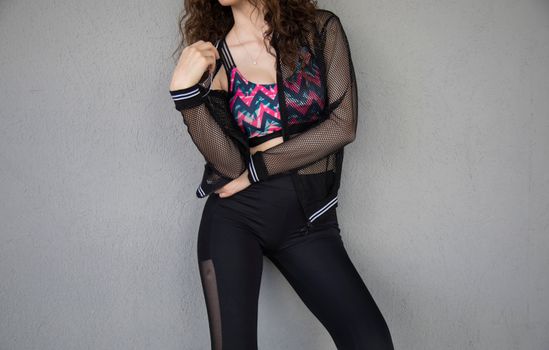
Low-Profile, Chunky and Everything Between
If you want a style reference point, the conversations happening in sneaker communities lean towards retro runners and low-profile trainers as the pairs that sit most naturally with athleisure. Names that come up repeatedly include the Nike Vomero 5, the New Balance 1906R and 2002R, the Asics Gel Kayano 14, GT-2160 and Gel-1130, and the New Balance 327. They share a common trait: they read as sporty without looking like serious performance equipment.
At the chunkier end, the adidas Superstar has been described as earning its place as a key piece in athleisure wardrobes, moving comfortably from studio workouts to city adventures. That is the test to apply to any pair you are considering. Can it survive a workout and a walk afterwards without looking out of place in either setting?
If you prefer something supportive rather than streamlined, retailers such as Footwear etc group athletic, athleisure and sneaker options together and also stock supportive and orthopaedic styles alongside the trendy ones. Comfort does not have to be traded away for looks.
Colour Choices That Always Work
Neutral shoes are the safest investment. White, black, grey and bone go with almost every colour of leggings, shorts or hoodies you already own, and they do not fight with a printed or bright piece elsewhere in the outfit. If you want a single statement pair, pick one colour that already appears somewhere in your gym wear, so the shoe reads as part of the outfit rather than an unrelated purchase.
Match the shoe’s level of detail to the rest of what you are wearing. A busy upper with busy leggings and a patterned hoodie is a lot at once. One loud element per outfit is usually enough.
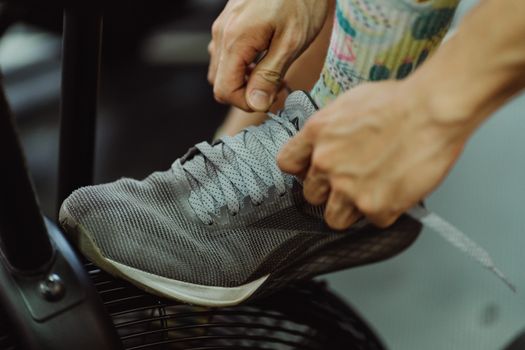
Gym Floor Versus Street
Athleisure shoes are lifestyle shoes first. That is what makes them versatile, and it is also why they are not a straight swap for a dedicated training shoe in every situation. The question of whether a pair of athleisure shoes is suitable for running depends entirely on the specific shoe, since construction varies so much between styles. Check the manufacturer’s own guidance on intended use before you commit a pair to regular running, lifting or court work, and keep a purpose-built shoe for the sessions that demand it.
For walking, commuting, light training and everyday wear, athleisure styles handle the job comfortably, which is exactly the gap they were designed to fill.
Building the Outfit Around Nezki Gym Wear
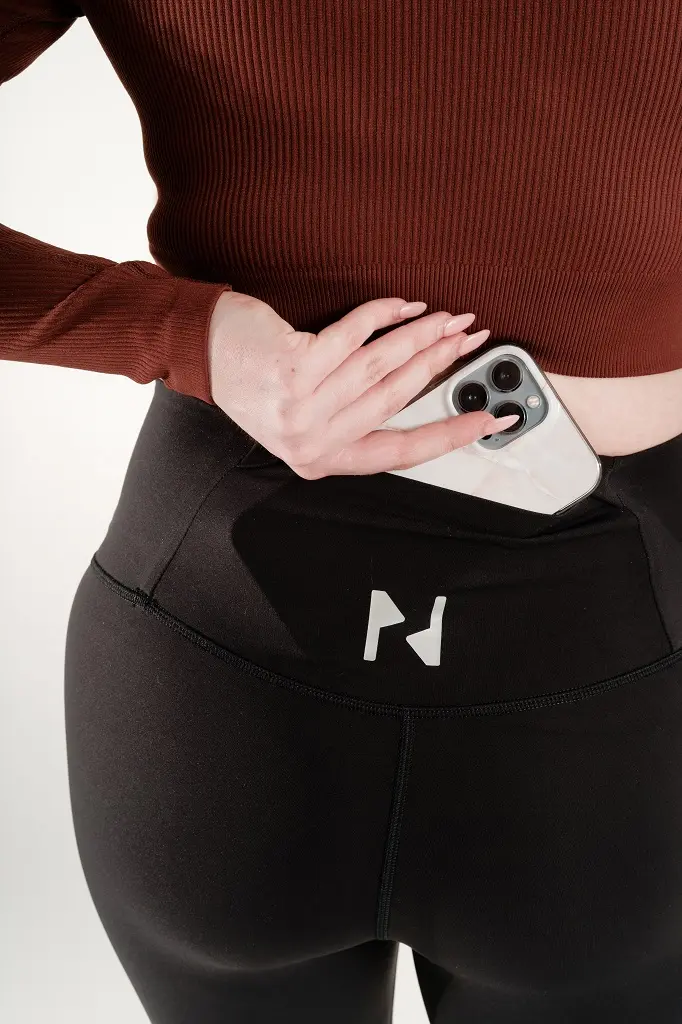
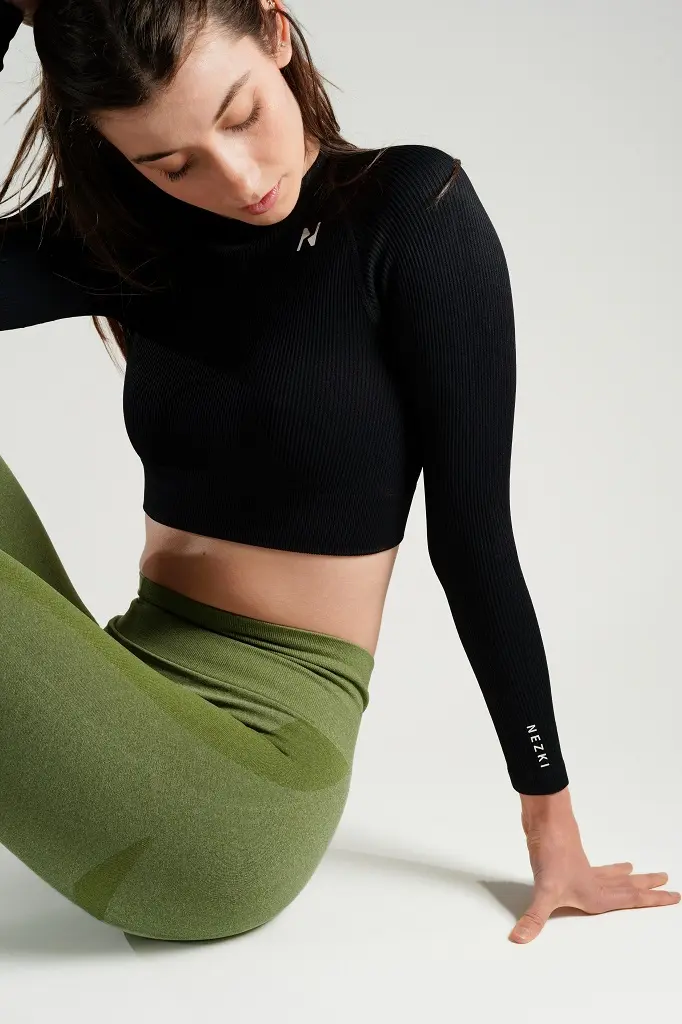
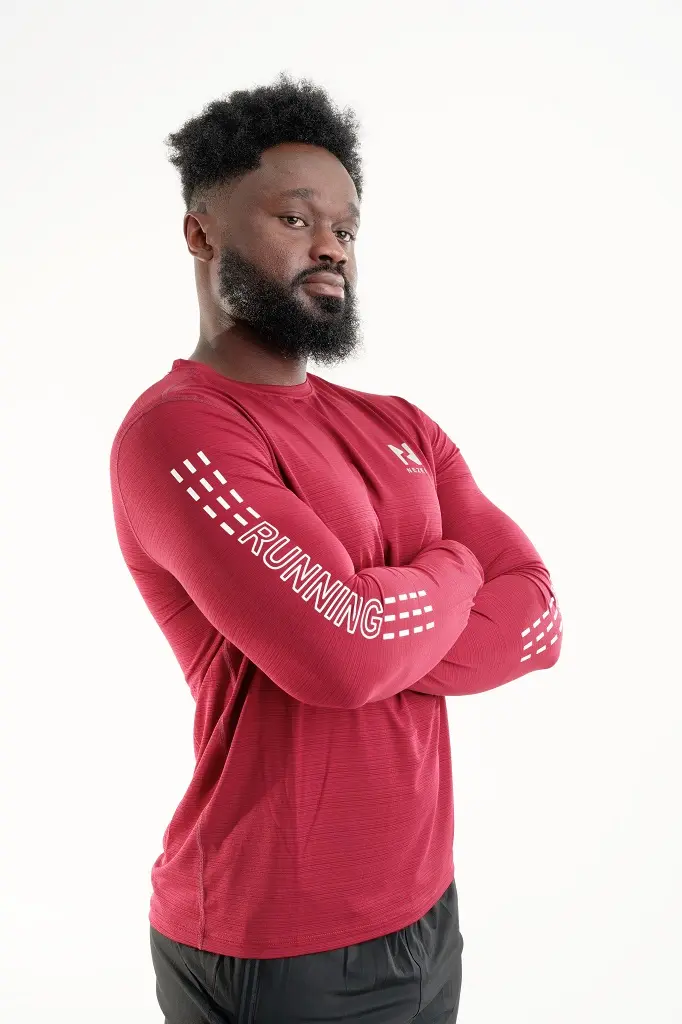
Shoes are easier to choose once the rest of the outfit is settled. Nezki’s range covers women’s leggings and joggers, sports bras, shorts, long sleeves and hoodies, plus short-sleeve tees, with men’s tees, shorts, hoodies, long sleeves and bottoms on the other side of the store. The pieces focus on performance features like pockets, support and comfort while staying wearable outside the gym, which is the same brief an athleisure shoe is trying to meet.
A simple formula works well: fitted joggers or leggings with a low-profile trainer, a hoodie over a tee for cooler mornings, and shorts with a chunky or mesh pair once the weather warms up. If you are building or topping up a wardrobe, discounts are common across the site, so it is worth checking the current offers before you buy.
Mistakes That Undo a Good Outfit
Buying for the photo. If the fit is not right, the shoe will sit in the cupboard no matter how good it looked online.
Sizing up too far for width. Extra length makes the shoe look and feel wrong.
Wearing worn-out gym shoes with a fresh outfit. A tired, scuffed pair drags everything else down.
Ignoring socks. Visible socks in a colour that clashes with a short hem can break an otherwise clean look.
Matching everything. Shoe colour, hem, hoodie and bag do not all need to agree.
Keeping Your Pairs Looking Fresh
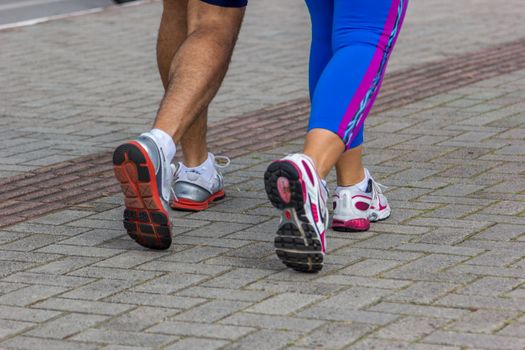
Rotate between two pairs if you wear them most days. Shoes need time to dry out between wears, and rotating extends how long they hold their shape. Wipe uppers down when they get dusty, air them rather than leaving them in a bag, and keep one pair for gym floors so your street pair stays presentable. A little upkeep goes a long way when your shoes are doing double duty as training gear and everyday wear.
Frequently Asked Questions
What exactly is an athleisure shoe?
It is footwear designed to sit between performance sportswear and casual sneakers. Athleisure itself is built on balance and versatility, and the shoes follow the same logic: cushioned enough for comfort, flexible and breathable enough for movement, and clean enough in design to wear with everyday outfits. lululemon frames its collection as combining performance with fashion, which sums the category up well.
Can I wear athleisure shoes for running?
It depends on the individual shoe, because construction varies widely between styles. Some athleisure pairs are lifestyle shoes built mainly for walking and everyday comfort. Others share design features with running shoes. Check the manufacturer’s own guidance for the specific model before using it for regular running, and keep a dedicated running shoe for longer distances or structured training.
How do I know if a pair fits properly?
Your heel should stay locked in without slipping, your toes should not press against the front, and the shoe should bend with your foot rather than resisting through the middle. A good fit, flexibility and breathability are the qualities worth prioritising. If a pair feels tight in the store, it will not improve with wear.
Which shoe colours work best with gym wear?
Neutrals are the easiest starting point. White, black, grey and bone pair with almost any colour of leggings, shorts or hoodies without clashing. If you want a brighter pair, choose a colour that already appears somewhere in your gym wardrobe so the shoes look deliberate. One statement element per outfit is usually enough.
Do I need more than one pair?
Two pairs cover most people comfortably. Keep one clean, low-profile pair for the gym and everyday wear, and a second, slightly more rugged pair for walks, wet weather or days when you are on your feet for hours. Rotating them also gives each pair time to air out between wears.
Gym to Street Style
If you are comparing styles or planning your next workout wardrobe, these guides can help:
- 7 Stunning Athleisure Outfit Ideas to Elevate Gym Wear for Everyday Looks
- How to Layer Activewear for Cooler Weather
- Gym to Brunch: Outfits That Work for Both