
Racerback vs Cross-Back Sports Bras: Which Style to Choose

Two sports bras can look almost identical on the hanger and feel completely different once you start moving. The back construction is usually the reason. Racerback and cross-back designs both draw the straps toward the centre of your back, but they do it in different ways, and that changes how the bra behaves during a run, a heavy set, or a long stretch session.
Here is how the two styles compare, what each one is genuinely better at, and how to decide which one earns a place in your gym bag.
What a Racerback Sports Bra Actually Is
A racerback sports bra is characterised by straps that form a Y shape in the back. Instead of sitting on the outer edges of your shoulders, the straps angle inward and meet at the centre of your upper back before continuing down to the band. Some versions read more like an X than a Y, but the inward meeting point is the defining feature.
That geometry allows for a full range of motion in the shoulders, which is why the design shows up so often in running and training bras. Racerback bras also typically have higher coverage on the back than standard strapped bras, and that extra coverage means the straps themselves can stretch less over time.
There is a support story behind the shape as well. The structural geometry of a racerback bra pulls breast tissue closer to the chest wall, centring the support rather than letting it sit outward. Racerback straps are also less likely to slip off the shoulder, so you spend less time tugging at them mid-stride or mid-set.
What a Cross-Back Sports Bra Actually Is
A cross-back bra takes a different route to a similar goal. The straps cross over each other between your shoulder blades, so they travel across the back rather than angling in alongside each other. The anchor points are still centred, but the way the straps distribute tension feels different against your body.
The practical result is a bra that feels steady and locked in through the torso. If you want maximum stability during balance poses, the cross-back construction is the one to reach for. The crossed straps hold the bra in place when you are moving slowly and holding positions, where any shifting is far more noticeable than it is during a fast run.
Racerback vs Cross-Back at a Glance
The table below summarises the main differences so you can match the style to your training rather than guessing from product photos.
Feature | Racerback | Cross-Back |
|---|---|---|
Back construction | Straps meet at the back in a Y shape | Straps cross over each other in an X |
Shoulder mobility | Full range of motion in the shoulders | Built around stability rather than mobility |
Stability during balance poses | Adequate, though not the design priority | Maximum stability, the better pick for balance work |
Strap behaviour | Less likely to slip off the shoulder | Crossed straps stay gathered at the centre of the back |
Back coverage | Typically higher than standard strapped bras | Concentrated across the centre of the back |
Best suited to | Running, lifting, high-movement sessions | Yoga, balance work, slower stability-focused sessions |
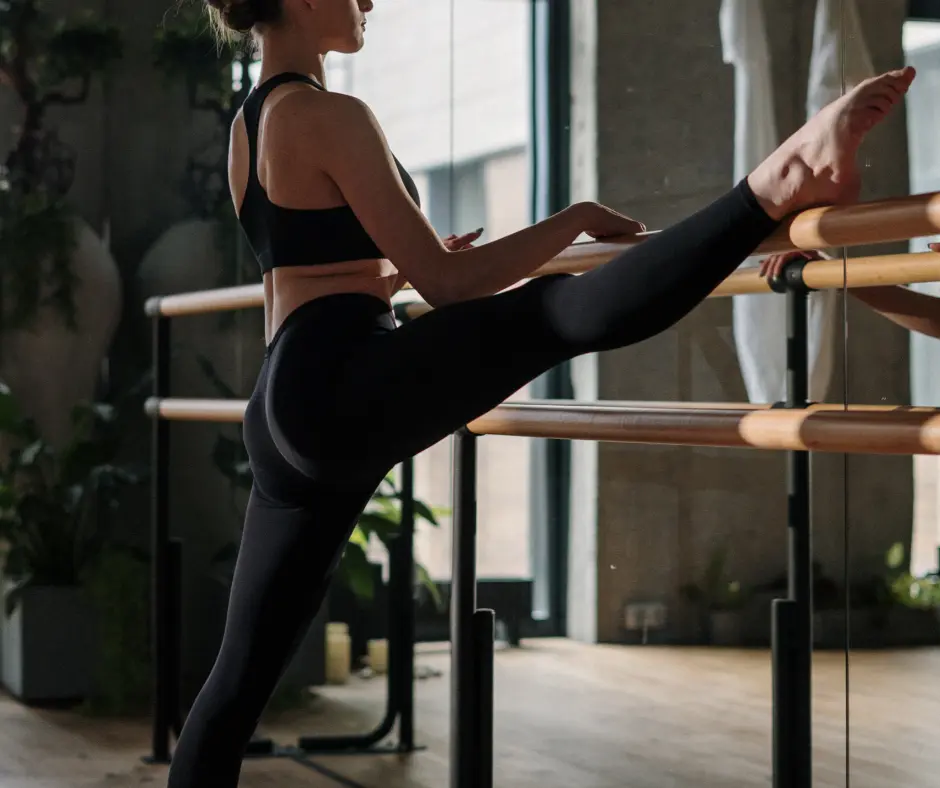
Where a Racerback Pulls Ahead
Racerback bras tend to win on movement. If your training involves reaching, pressing overhead, or swinging your arms through a full stride, the inward strap angle gives your shoulders room to work without the bra fighting you.
Shoulder mobility: the straps sit clear of your shoulder joint, so overhead pressing and running arms move freely.
Strap security: the racerback shape is less likely to slip off the shoulder, which means fewer mid-workout adjustments.
Back coverage: higher coverage on the back than standard strapped bras helps keep the straps from stretching out.
Centred support: the geometry pulls breast tissue closer to the chest wall rather than letting it sit outward.
Everyday wear: the same features that suit training also make racerbacks easy to wear under casual tops.
Where a Cross-Back Pulls Ahead
Cross-back bras are built for steadiness. When you are holding a pose or moving slowly through a controlled range, the crossed straps keep the bra anchored and reduce the small shifts that become obvious in stillness.
Balance poses: cross-back is the recommended choice when you want maximum stability during balance work.
Locked-in feel: the crossed construction distributes tension across the back rather than along two parallel lines.
Slow strength work: controlled reps and holds reward a bra that stays put rather than one that flexes with every arm swing.
Visual detail: the X across the back adds a design element that works well with open-back tops and layered looks.

How to Choose Between Them
Most people do not need a technical analysis. They need to know what their week of training actually looks like. Work through these questions, and the answer usually becomes obvious.
What takes up most of your training time? If it is running, lifting, or anything with continuous arm movement, a racerback is the natural fit. If it is yoga, Pilates, or balance-focused work, cross-back leads.
Do your straps slip? If you are constantly hitching straps back onto your shoulders, the inward angle of a racerback addresses that directly.
Do you need overhead range? Reaching, pressing, and pulling all benefit from the shoulder mobility a racerback allows.
Do you hold poses? Stability during balance poses is the specific strength of the cross-back design, so prioritise it if that is your main session type.
Does it stay put when you move? Try a few jumps, an overhead reach, and a slow balance hold in the fitting room. Whatever shifts during those tests will shift during training as well.
Fit Checks That Matter More Than Back Style
The back design gets a lot of attention, but the band and cup fit do more for comfort than any strap configuration. A racerback that is too loose will still ride up, and a cross-back that is too tight will still dig in.
Check that the band sits level all the way around and stays put when you raise your arms.
Make sure the straps lie flat without cutting into your shoulders or pressing on your neck.
Confirm the cups fully contain your breast tissue with no spillover at the sides or top.
Move in it before you commit: jump, reach overhead, and hold a balance position for a few seconds.
Check the brand’s size chart rather than assuming your usual size carries across styles, since cuts vary between designs.
Racerback and T-Back: Are They Different?
You will often see racerback and T-back used as if they are separate categories. In practice, there really are no significant differences between the T-back and the racerback bra. Both are great for extra back and shoulder support, and both keep the straps gathered toward the centre of the back rather than out on the shoulders. Treat them as variations on the same idea, and focus your decision on how the bra fits and what you plan to do in it.
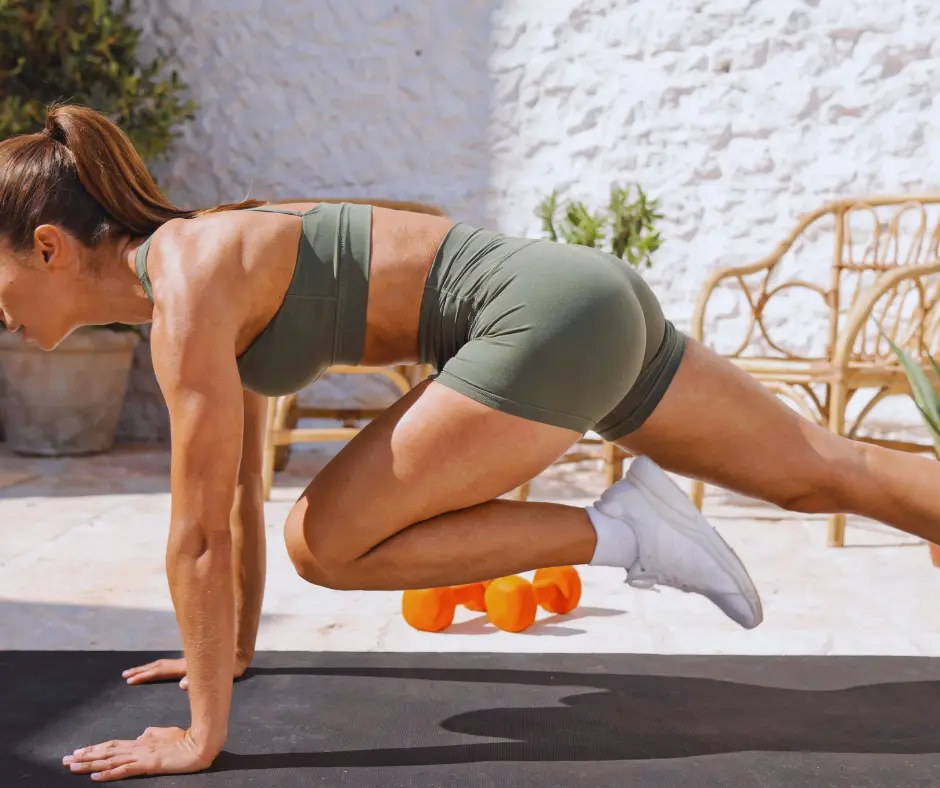
You Do Not Have to Pick Just One
There is no rule that says you have to limit yourself to a single style. Having more than one bra option makes your wardrobe more versatile, and it means you can match the back construction to the session instead of compromising. A racerback for run days and a cross-back for slower work covers the two extremes, and you can fill the gaps from there.
Nezki stocks sports bras alongside its leggings, training tops, and other gym wear, so building a small rotation is straightforward. Start with the style that matches the training you do most often, then add the other one for the sessions where you want something different from your back construction.
Frequently Asked Questions
Are racerback sports bras better than cross-back?
Neither style is better across the board. Racerback bras are strong on shoulder mobility, back coverage, and keeping straps from slipping, which suits running and lifting. Cross-back bras are the pick for maximum stability during balance poses. The right answer depends on whether your training prioritises movement or steadiness.
Is a racerback bra the same as a T-back bra?
There are no significant differences between the T-back and the racerback bra. Both are great for extra back and shoulder support, and both gather the straps toward the centre of the back. Any difference you notice in the fitting room will come from the individual bra’s cut and fit rather than from the name on the label.
Do racerback straps really stop slipping?
Racerback straps are less likely to slip off the shoulder because they angle inward instead of sitting on the outer edge. Racerback bras also typically have higher back coverage than standard strapped bras, which means the straps themselves can stretch less and hold their position better over repeated wear.
Which back style should I wear for yoga?
Go cross-back if you want maximum stability during balance poses. The crossed straps keep the bra anchored through slow, controlled movement and held positions. Choose a racerback instead if shoulder mobility matters more to your practice, such as during flows with lots of overhead reaching.
Can I wear the same bra for both running and yoga?
You can, and many people do. A racerback will handle most sessions comfortably, while a cross-back gives you extra steadiness when you are holding positions. Keeping one of each in your rotation is the simplest way to get the right support without compromising either type of training.
Women’s Sports Bra Support
If you are comparing styles or planning your next workout wardrobe, these guides can help:
- High Impact vs Low Impact Sports Bra: Key Differences Explained
- Sports Bra Support Guide: Find the Right Support for Your Workout
- Sports Bra Size Calculator: Measure Your Size at Home