
High Impact vs Low Impact Sports Bra: Key Differences Explained
Sports bras have become a wardrobe staple for many women. They are designed to limit breast movement during exercise, and the right one can make training feel completely different. With so many styles available, each bra serves a different purpose and offers a different level of support. Understanding the high impact vs low impact sports bra categories is the first step to finding your best fit. The choice you make should be driven by what your workout actually asks your body to do. Choosing the right sports bra for your activities is essential, especially when considering the differences between high impact vs low impact sports bra.
Table of Contents
What Does Impact Level Mean in a Sports Bra?
Impact level refers to the amount of movement a workout creates. Low impact activities such as yoga, walking and Pilates keep movement smooth and gentle. Activities like running, jumping rope, sprinting and high intensity interval training create forceful bouncing motion that demands far more from your clothing. Each workout falls somewhere on that scale, and your bra should match it.
Think about what happens during different types of exercise. A yoga class involves steady poses and slow transitions, while a running session involves constant up-and-down motion. The more bounce an activity creates, the more support you need from a sports bra. That is why brands design bras at different impact levels rather than offering one single style for every situation.
When deciding between a high impact vs low impact sports bra, consider your primary activities. If you engage in high-impact exercises, a well-structured high impact vs low impact sports bra becomes essential for adequate support.
Understanding the distinctions between high impact vs low impact sports bras can greatly influence your workout experience, ensuring you choose the right fit for your needs.
What Is a Low Impact Sports Bra?
A low impact sports bra is designed to provide light support and less compression than a high impact style. These bras use soft, flexible materials and tend to have a less structured shape. They prioritise comfort and freedom of movement, which makes them a natural choice for workouts that stay gentle and grounded.
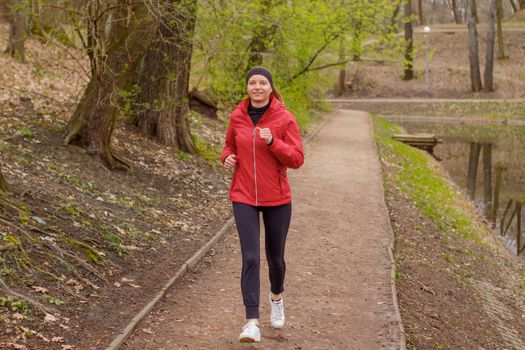
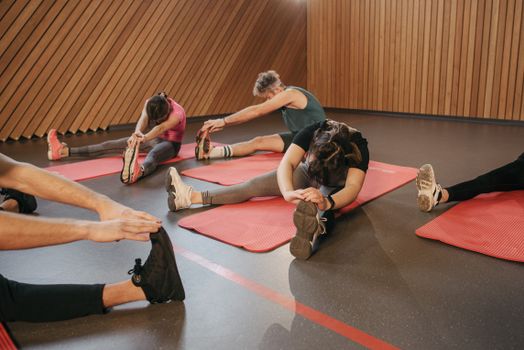
Low impact bras work best for activities with minimal bounce. Yoga, Pilates and walking all suit this level of support, and strength training sessions can work well too when you remain mostly grounded while lifting. Since these activities do not cause much breast movement, the lighter hold of a low impact bra is usually enough to keep you comfortable from the first stretch to the final rep.
The trade-off is that low impact bras are less structured and therefore offer less support. If you wear one for a high bounce workout, you will likely notice the difference before long. Light support is perfect for light movement, but it is not built to handle forceful jumping or sprinting.
Choosing between high impact vs low impact sports bra often involves looking at your exercise routine and how much support you truly need.
The role of a high impact vs low impact sports bra is crucial for maintaining comfort and reducing the risk of injury during workouts.
Women often find that selecting between high impact vs low impact sports bra is a personalised decision that depends on individual comfort and activity levels.
In summary, the high impact vs low impact sports bra choice plays a significant role in optimising your workout routine.
What Is a High Impact Sports Bra?
A high impact sports bra is designed for activities that involve a lot of jumping or movement that can make breasts bounce. Its main purpose is to provide maximum support and minimise breast movement during exercise. High impact bras achieve this through firmer structure, stronger compression and materials that hold everything securely in place.
Running, jumping rope, sprinting and high intensity interval training all fall into the high impact category. These activities produce the most repetitive bounce, which means they demand the highest level of support from your gear. For women with larger breasts, this level of support becomes especially important because sports bras are designed to limit breast movement during exercise, which is essential as breast size increases.
The benefit of a high impact bra is security. When your bra keeps movement under control, you can focus on your pace, your form and your effort instead of adjusting your clothing mid-workout. That makes high-impact bras the reliable choice for any session with continuous impact.
The Main Differences at a Glance
Be sure to assess whether a high-impact vs low-impact sports bra aligns with your activities to ensure you get the support you need.
The most crucial differences between high-impact and low-impact sports bras are the materials they use, the amount of support they offer and the activities they are designed for. The table below summarises those differences clearly.
The impact level of your sports bra, whether high impact vs low impact sports bra, largely determines how much support you receive during your workouts.
| Feature | Low Impact Sports Bra | High Impact Sports Bra |
|---|---|---|
| Main purpose | Light support for gentle movement | Maximum support with reduced breast movement |
| Best activities | Yoga, Pilates, walking, strength training | Running, jumping rope, sprinting, HIIT |
| Materials and feel | Soft, flexible and less structured | Firmer structure and stronger compression |
| Movement control | Suited to minimal bounce | Built for constant bouncing and impact |
Ultimately, high impact vs low impact sports bra options should be determined by your specific exercise needs and preferences.
Finding the right high impact vs low impact sports bra can drastically improve your exercise experience and help prevent discomfort.
When in doubt, consider your activity level to determine if a high impact vs low impact sports bra is the better choice for your workout.
There is no single bra that is right for every workout. The high impact vs low impact sports bra decision depends entirely on the movement your training creates.
Overall, understanding the high impact vs low impact sports bra distinctions can lead to better choices for your active lifestyle.
A tailored approach to your high impact vs low impact sports bra selection will enhance your comfort during various workouts.
The high impact vs low impact sports bra debate is essential for any active woman to consider when selecting her workout gear.
Understanding your personal needs in relation to the high impact vs low impact sports bra options available can help you make informed choices.
How to Match Your Sports Bra to Your Workout
Ultimately, the high impact vs low impact sports bra selection can greatly affect your overall workout performance and comfort levels.
For running, sprinting, jumping rope and high intensity interval training, choose a high-impact sports bra. These activities generate constant bounce, and a bra that provides maximum support is the one designed to manage that motion. You want your clothing to work as hard as your body during these sessions.
Whether you lean toward a high-impact vs low-impact sports bra, ensure it aligns with your specific workout routine for the best results.
Reflecting on the importance of a high-impact vs low impact sports bra can help you choose wisely before purchasing.
For yoga, Pilates, and walking, a low-impact sports bra is the better match. These workouts involve minimal bounce, so soft and flexible materials keep you comfortable without unnecessary restriction. A less structured bra allows natural movement, which feels better when you are stretching, breathing and moving slowly.
Choosing the right high impact vs low impact sports bra based on your activities can lead to a much more enjoyable exercise experience.
In conclusion, understanding the high impact vs low impact sports bra differences is essential to meet your specific fitness needs.
The essence of a high impact vs low impact sports bra lies in the level of support they provide, tailored to your workout needs.
Strength training can go either way. Many strength sessions keep both feet on the ground, which means a low impact bra may be perfectly comfortable. If your routine adds jumps, explosive reps or fast transitions, that is when a higher impact style becomes the smarter choice. Look honestly at the actual movement in your workout and let that guide your decision.
Does Breast Size Affect Which Impact Level You Need?
Body type plays a real role in sports bra selection. Women with larger breasts typically need more support during exercise because the strain of movement increases with breast size. Sports bras exist to limit that movement, which becomes imperative when there is more tissue to support. For this reason, high-impact activities usually call for high-impact bras regardless of the workout.
Women with smaller chests may have more flexibility. There is an ongoing conversation among runners about whether medium-impact bras are enough for smaller-chested women during high-impact activities, and many find that a medium support style handles the job when there is less breast mass to move. Others still feel more comfortable in a high-impact bra because of the extra security it provides.
The right answer is personal. If your current bra leaves you noticing bounce or feeling unsupported during a run, step up to a higher impact style. If you feel comfortable and distraction-free in a lighter bra, that may be all you need. Testing both during your actual workout is the best way to know what works for your body.
Why Choosing the Right Support Level Matters
A common mismatch is wearing a low-impact bra to a high-impact workout. The bra was not built for that amount of movement, so you end up distracted, uncomfortable and unsupported before the session is over. High-impact bras, by contrast, are designed specifically for bouncing activities, and their structure exists to keep everything stable through every stride and jump.
The reverse situation applies to gentle training. Wearing a heavy duty high impact bra for a slow yoga class can feel more restrictive than necessary, since low-impact activities simply do not create the bounce that demands maximum compression. Matching the bra to the activity level keeps you comfortable in both directions.
Most active women end up owning both types. A low-impact bra covers gentle days, yoga sessions and lighter strength work, while a high-impact bra handles runs, sprints and interval training. Because different bra styles exist for different purposes, building a small collection lets you pick the right support for whatever your week brings.
Frequently Asked Questions
Here are answers to the most common questions about choosing between high impact and low impact sports bras.
Can I wear a low impact sports bra for running?
Running is a high-impact activity that creates constant bouncing motion. Low impact bras are designed for activities with minimal bounce, such as yoga, Pilates, and walking, and they use soft, flexible materials to offer lighter support. For running, a high-impact sports bra is the more suitable choice because it is designed to provide maximum support and minimise breast movement during high-impact activities.
Do women with smaller breasts need a high impact sports bra?
This is a common topic among runners. Some women with smaller chests find that medium impact bras provide enough support for high impact activities like running. Support needs vary by body type, breast size and personal comfort. If a medium or low impact bra leaves you feeling bounce or discomfort during a workout, a high impact bra designed for maximum support is the safer option.
What is the best sports bra for larger breasts?
Sports bras are designed to limit breast movement during exercise, which becomes increasingly important for women with larger breasts. High-impact sports bras are built to provide maximum support and minimise movement, making them the recommended choice for high-intensity workouts such as running, jumping rope and interval training. For gentler sessions like yoga and walking, a low-impact bra with lighter support may feel more comfortable.
Why do sports bras have different impact levels?
Different sports bra styles serve different purposes and provide different levels of support. Low impact bras use soft, flexible materials for light support during gentle activities like yoga, Pilates, and walking. High-impact bras use firmer structure and stronger compression to provide maximum support during running, sprinting, jumping rope and high-intensity interval training. Having both levels allows you to match support to the movement of each workout.
Women’s Sports Bra Support
If you are comparing styles or planning your next workout wardrobe, these guides can help:
- Sports Bra Support Guide: Find the Right Support for Your Workout
- How to Measure Your Sports Bra Size at Home
- Racerback vs Cross-Back Sports Bras: Which Style to Choose