
Sports Bra Support Guide: Find the Right Support for Your Workout
Sep
A good sports bra should be the last thing on your mind when you train. Holding steady in tree pose, powering through the final mile, or lining up a serve, you want your gear to work quietly in the background. Sports bras are not the same as everyday bras. They are designed to minimise breast movement, reduce discomfort, and keep you focused on the movement in front of you. This sports bra support guide explains the three support levels, the fit checks that matter, and how to match a bra to the way you train.
This Sports Bra Support Guide is essential for every athlete. With this Sports Bra Support Guide, you can choose a sports bra for your training.
A well-fitted sports bra feels barely there, but it provides serious support where it counts. When the fit is right, you can breathe fully, move freely, and forget you are wearing it. When the fit is wrong, you notice it in every rep, stride, and stretch. Understanding how support levels work and how a bra should fit makes it much easier to find the right one for your body and your workout routine.
Table of Contents
Why Sports Bra Support Matters
This Sports Bra Support Guide will ensure you make the right choice for your workout.
The Ultimate Sports Bra Support Guide

In this Sports Bra Support Guide, we’ll cover everything you need to know.
The main job of a sports bra is support. A good-fitting sports bra minimises breast movement during exercise, which helps reduce discomfort and lets you train with confidence. Without enough support, high-impact movement can lead to bounce that will not quit, chafing, and constant adjusting. That is why sports bras are built differently from everyday bras. They use stronger bands, secure backs, and engineered fabrics to hold everything in place. The higher the impact of the sport, the more movement your body creates, and the more support your bra needs to provide. When you match the support level to the activity, you can put your energy into the workout instead of your clothing.
This Sports Bra Support Guide highlights the importance of proper fit.
Understanding the Three Levels of Sports Bra Support
Utilise this Sports Bra Support Guide to maximise your performance. Consult this Sports Bra Support Guide for tips on finding the right style.
Sports bras are designed to provide three levels of support: low, medium, and high. The level you need depends on the impact level of the sport you are doing. Low-impact activities create gentle, controlled movement, while high-impact activities create a lot of motion. Choosing a bra that matches that impact is the first step to getting the support your body needs.
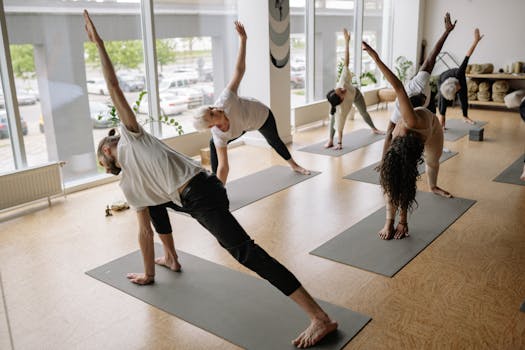
- Low support: best for low-impact activities such as yoga and gentle stretching, where movement is slow and controlled.
- Medium support: a middle option for workouts that involve moderate movement, offering more structure than low support while staying comfortable.
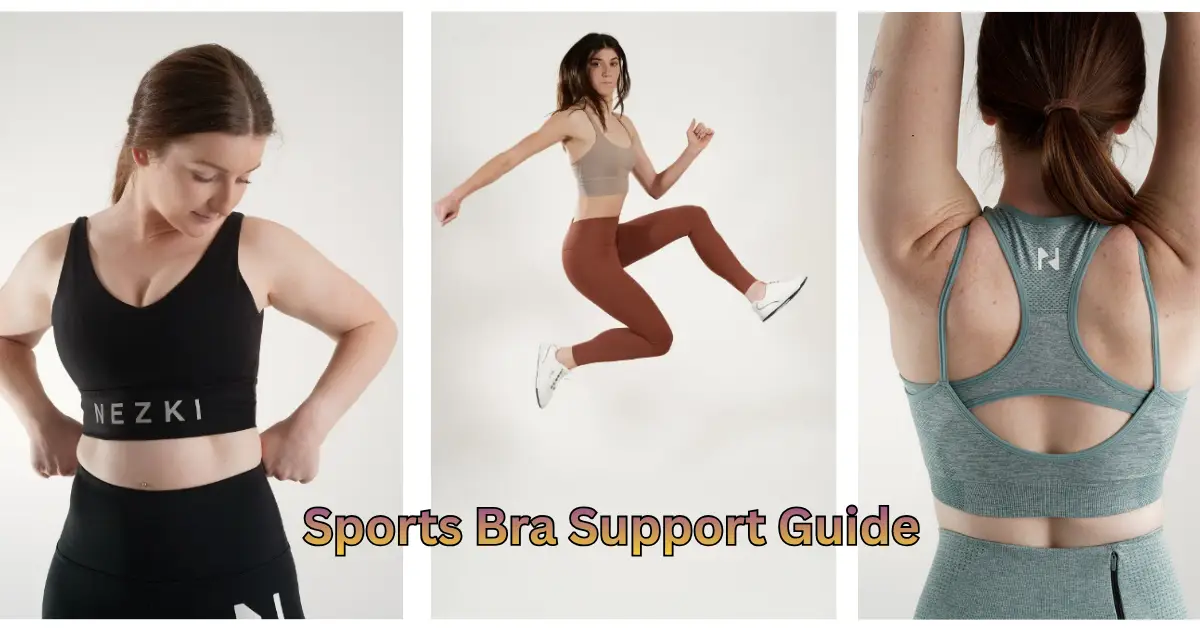
- High support: built for high-impact activities such as running, where minimising bounce is essential. High-support sports bras often feature high, secure backs and wider bands to keep everything locked in.
The higher the impact, the more support you need. A low-support bra can feel comfortable for a stretch session, but it will not hold up during a high-impact workout. A high support bra, on the other hand, can feel like more structure than a gentle session requires. Matching the support level to your activity is essential for comfort and support from the first move to the last.

How a Sports Bra Should Fit
A great sports bra feels locked in from the first wear. It should feel secure and supportive without feeling restrictive. You should be able to inhale fully and move freely. If the bra limits your breathing or restricts your range of motion, it is probably too small. Fit is just as important as support level because even the most supportive bra cannot do its job if it does not fit properly.
Follow this Sports Bra Support Guide to ensure proper support.
This Sports Bra Support Guide is your go-to resource for fitting advice.
With this Sports Bra Support Guide, you’ll never choose the wrong bra again.
- The band should sit firmly but comfortably just below your bust and lie flat against your ribcage without digging in. Too tight, and you risk chafing and shortness of breath.
- Use the two-finger rule: you should be able to fit two fingers between your body and the band, but not more. This checks that the band is snug without being restrictive.
- Straps should stay in place without digging into your shoulders or slipping down during movement.
- The bra should stay put through your whole workout. No shifting, no sliding, and no need to pull it back into place mid-session.
Keep this Sports Bra Support Guide nearby for all your training sessions.
This Sports Bra Support Guide is essential for avoiding discomfort.
Sizing can vary between brands, so use the way the bra feels as your guide rather than relying only on the size label. Some styles pull over the head, while others use a back clasp. High-support sports bras often feature high, secure backs that add extra stability. The right fit keeps you comfortable from the moment you put the bra on until the end of the session.
Matching Your Sports Bra to Your Workout
Matching your sports bra to your activity is essential for comfort and support. Think about what your training week looks like. A yoga session calls for a different level of support than a run, and a high-intensity interval workout asks more from your gear than a gentle stretch. Because the higher the impact, the more support you need, your bra should match the demands of the movement.
It helps to have a few sports bras in different support levels so you can choose the right one for each session. Reach for a high support bra on running days, a medium option for moderate training, and a lighter low support bra for recovery and flexibility work. Having the right support available for every workout keeps you comfortable across the whole week of training.
Signs Your Sports Bra Is Not Working
When a bra is not right, it can pull you out of your training with chafing, shifting, discomfort, and distraction. A bra you keep adjusting is not giving you the support you need. If you have ever spent half a workout feeling sweaty, uncomfortable, and distracted, it is time to reconsider your sports bra.
Use this Sports Bra Support Guide to enhance your workout experience.
- Straps that dig into your shoulders or slip off during movement
- Bounce that will not quit, even at lower impact
- A band that rides up your back when you move
- Chafing or redness after a workout
- Feeling like you cannot take a full breath
- Doubling up on bras to get more support
If you have ever doubled up for more support, cut a run short, or spent an entire session adjusting your straps, your current bra is not doing its job. A properly fitted sports bra should stay out of your mind completely during exercise. When the support is right, you can focus on your next move instead of your gear.

Tips for Getting the Right Support
There is a dizzying array of sports bras in the world, with varying features designed to account for different exertion levels. That variety is helpful, but it also means you need to know what to look for. A comfortable and supportive sports bra can make all the difference in your training, so it is worth taking the time to find the right fit.
- Try sports bras at different support levels to see what feels best for each activity.
- Check the fit carefully each time, because sizing can vary between brands.
- Choose a high support bra for high-impact workouts instead of doubling up on lighter bras.
- Look for high, secure backs on high-support styles to keep the bra locked in place.
- Match the bra to the highest-impact activity in your routine so you are ready for every session.
When you find a sports bra that feels secure and supportive without feeling restrictive, you can move with confidence. The right support lets you focus on the workout itself, from the studio to the road to the gym.
Frequently Asked Questions
Here are answers to some of the most common questions about sports bra support and fit.
What are the different levels of support in sports bras?
Sports bras come in three support levels: low, medium, and high. The level you need depends on the impact of your activity. Low support suits gentle, low-impact movement, medium support works for moderate workouts, and high support is designed for high-impact activities like running. The higher the impact, the more support your bra needs to provide.
What sports bra gives the most support?
High-support sports bras give the most support. They are designed for high-impact activities and often feature high, secure backs, wider bands, and stronger structure to minimise bounce. If you have found yourself doubling up on bras for extra support, a properly fitted high-support bra is the better choice for keeping everything locked in during your workout.
What is the two-finger rule for bra fit?
The two-finger rule is a quick fit check for the band. You should be able to slide two fingers between your body and the band, but not more. This tells you the band is snug enough to stay in place without being too tight. A band that is too loose will ride up, while a band that is too tight can cause chafing and discomfort.
How do I choose the right sports bra for my needs?
Start with the impact level of your main workouts and choose low, medium, or high support to match. Then check the fit: the band should sit firmly below your bust, the straps should stay put, and you should be able to breathe and move freely. Sports bras are not the same as everyday bras, so choose one built for the way you train.
Women’s Sports Bra Support
If you are comparing styles or planning your next workout wardrobe, these guides can help:
- High Impact vs Low Impact Sports Bra: Key Differences Explained
- Sports Bra Size Calculator: Measure Your Size at Home
- Racerback vs Cross-Back Sports Bras: Which Style to Choose