
Sports Bra Size Calculator: Measure Your Size at Home

A supportive sports bra starts with a size that fits your body, not a label you hope will work. The simplest way to find that size at home is to take two measurements: one around your ribcage and one around the fullest part of your bust. Once you have those numbers, a sports bra size calculator can suggest a band and cup size quickly, and a brand size chart can help you confirm the result before you order.
Most sports bra sizing tools follow the same basic principle. They ask for your underbust measurement, sometimes labelled as band or ribcage, and your bust measurement. They then calculate a recommended size for you. Some tools even provide results in more than one sizing standard, which is handy when you shop from brands based in different countries.
Why Getting the Right Size Matters
Finding the right bra size makes a real difference to how comfortable and supported you feel during a workout. If the band moves around or the cups pinch, it can distract you from your training and reduce the confidence you feel while moving. A correctly fitted sports bra sits securely, breathes with you, and gives you the coverage you need for any activity.
Nike’s fit guidance makes the point clearly. Getting the right size bra is crucial to lock in all the benefits the garment is designed to offer. That is why many activewear brands build their own calculators and size charts rather than asking shoppers to guess from a generic small, medium, or large scale.
What You Need to Measure at Home
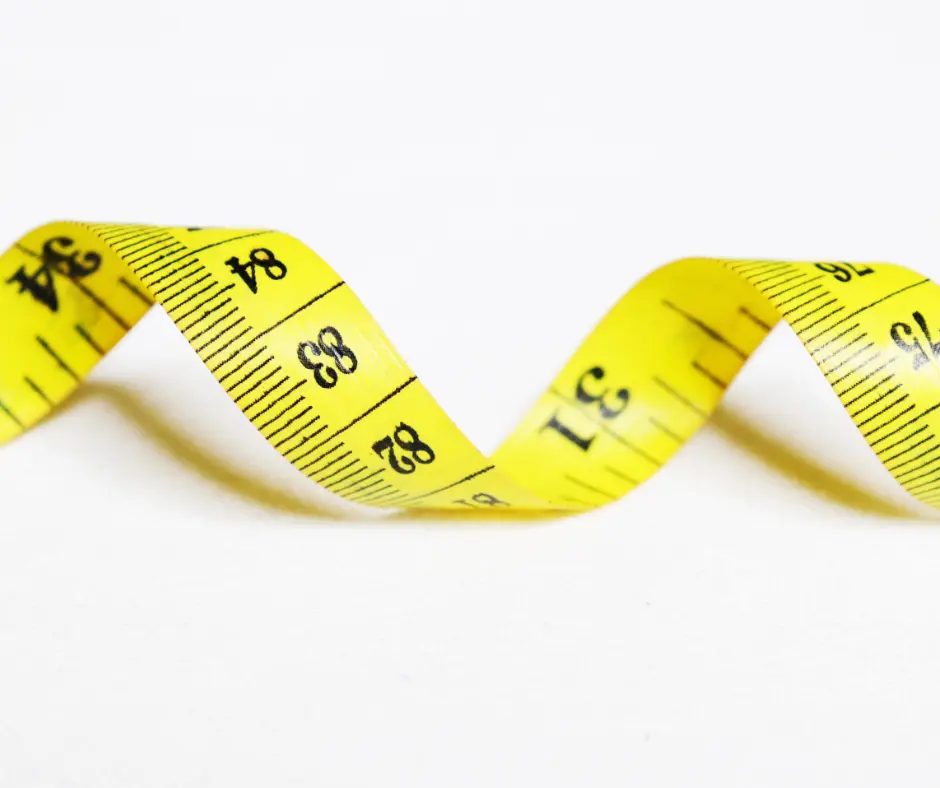
A soft fabric tape measure gives the most accurate result because it follows the curves of your body easily. If you do not have a tape measure on hand, a piece of string and a ruler work just as well. Wrap the string around the area you are measuring, mark where it meets, then lay it against a ruler to read the length.
A flexible tape measure or string with a ruler
An unlined bra to wear while you measure
A mirror to help keep the tape level
A notepad or your phone to record your numbers
Wear something light and non-restrictive while taking measurements. Heavily padded or moulded bras can change your natural shape and make your results less reliable, so most measuring guidance suggests using an unlined bra or no bra at all for the most accurate reading.
Step 1: Measure Your Band Size Under Your Bust
The first measurement you need is your band size. Wrap the measuring tape around your body directly below your bust, where the band of a bra would normally sit. Exhale before reading the number so you get the smallest measurement. This is the method used in adidas sports bra sizing guidance, and it helps prevent you from choosing a band that is too loose.
The tape should sit flat against your skin, level all the way around your back, and feel firm without digging in. This number reflects your ribcage or frame size. It is what most calculators treat as your band measurement, and it forms the numeric part of your bra size.
Record the number in inches or centimetres before moving on. If you are using the string method, keep your finger at the overlap point, lay the string down on a ruler, and note the length in the same unit you plan to enter into the calculator.
Step 2: Measure Your Bust Size at the Fullest Point
The second measurement is your bust size. Move the tape up so it wraps around the fullest part of your chest. The measurement should be what calculator.net calls a loose circumference taken around the chest over the fullest part of the bust. You do not want to pull the tape tight enough to compress the tissue, because that will give you an artificially small reading.
Keep the tape parallel to the floor and let it sit comfortably against your skin. Look in the mirror to confirm it has not tilted at the back or slipped down. Record this number as your bust measurement. Nike’s sports bra size guide suggests having an unlined bra on hand for this step, since extra padding can make the reading less dependable.
Step 3: Compare the Two Numbers to Find Your Cup Size
Once you have both numbers written down, the math is straightforward. Subtract your band measurement from your bust measurement. The difference between those two measurements points to your cup size. Under Armour’s women’s bra size chart lays this out clearly for inch measurements.
Difference Between Bust and Band | Cup Size |
|---|---|
1 inch | A cup |
2 inches | B cup |
3 inches | C cup |
4 inches | D cup |
5 inches | DD cup |
6 inches | DDD cup |
If you measured in centimetres, look for a calculator that can convert your numbers into the sizing system used by the brand you are shopping with. Many measurement tools accept inches or centimetres and perform the conversion automatically.
Shopping guidance from Bras for Girls adds one useful note. If the difference between your bust and your ribcage is greater than four inches, consider sizing up or choosing a band-and-cup sports bra style. Band and cup styles often provide better support when there is a larger difference between the two measurements.

Tips for Consistent Home Measurements
Exhale while measuring your band so you capture the smallest underbust measurement.
Keep the bust measurement loose and level, not pulled tight across the fullest part of your chest.
Round your measurements to the nearest quarter inch or half centimetre for better calculator accuracy.
If you use string instead of a tape measure, mark the spot clearly before moving the string.
Take each measurement twice to catch any obvious errors before you enter the numbers.
How a Sports Bra Size Calculator Uses Your Measurements
After you finish measuring, enter your two numbers into a sports bra size calculator. The calculator does the math for you by subtracting your band measurement from your bust measurement and matching the difference to a cup size. This removes the guesswork and gives you a clear starting point in seconds.
Title Nine’s sports bra size calculator generates a recommended band and cup size based on the measurements you enter. The Bras for Girls calculator asks for your ribcage and bust measurements and then offers recommendations across all the sizing systems it supports. That makes it easy to see where you land in different brand size structures.
These tools are designed to help you get started, not to promise a perfect fit on the first try. Bras for Girls reminds shoppers that sports bra fit is an art, not a science. Calculator results are based on one or two measurements, which cannot capture every difference in body shape, personal preference, or garment cut.
Choose a Calculator That Matches Your Sizing System
Bra sizes are not identical in every country, so it pays to use a tool that supports the system where you are shopping. Some calculators cover several international standards at once, which is helpful when you buy from overseas brands or compare your results with a local chart.
For shoppers in Australia and New Zealand, look for a calculator that includes AU and NZ sizing options. The bra size calculator from calculator.net provides results for the United States, the United Kingdom, the European Union, France, Belgium, Spain, Australia, and New Zealand. Entering your numbers into a tool that recognises your regional system will give you a more relevant result than a calculator that only works with one country’s sizing.
Confirm With the Brand’s Sports Bra Size Chart
A home measurement and calculator result should always be checked against the size chart of the specific sports bra you plan to buy. Activewear brands do not all measure the same way, and a single manufacturer often has separate sports bra sizing from its regular bra sizing.
Nike, for example, provides sports bra size charts that help you convert your regular bra size into Nike sports bra sizes, with cup options starting at A and extending through larger cup sizes. adidas and Under Armour also publish sports bra-specific size charts, and each one reflects how that brand’s garments are cut. The calculator is your starting point, but the retailer’s official chart is the best way to confirm your final size before checkout.
Frequently Asked Questions
Here are quick answers to common questions about measuring sports bra size at home and using a calculator effectively.
How do I find my sports bra size from my measurements?
Measure your underbust by wrapping the tape directly below your bust and exhaling to get the smallest number. Then measure around the fullest part of your chest for your bust number. Subtract your band measurement from your bust measurement to estimate your cup letter, or enter both numbers into a sports bra size calculator and let it perform the subtraction for you.
What do the numbers and letters in a sports bra size mean?
The band number comes from the measurement around your ribcage just below the bust. The cup letter comes from the difference between that ribcage measurement and the measurement around the fullest part of your bust. On standard US-style charts, a one-inch difference equals an A cup, a two-inch difference equals a B cup, and the pattern continues upward from there.
Can I use my regular bra size as a sports bra size?
Some brands publish size charts that help you convert your regular bra size into that brand’s sports bra sizing. A few calculators also convert bra sizes between the US, UK, EU, Australian, and other international systems. Because each brand fits differently, treat a converted result as a starting point and confirm it against the brand’s own sports bra size chart before ordering.
What should I do if my bust is much larger than my ribcage?
If the difference between your bust and your ribcage is greater than four inches, Bras for Girls suggests considering a size up or choosing a band-and-cup sports bra style. Band and cup styles tend to provide better support when there is a larger difference between the two measurements, so look for that construction rather than a simple pullover design.
Women’s Sports Bra Support
If you are comparing styles or planning your next workout wardrobe, these guides can help:
- High Impact vs Low Impact Sports Bra: Key Differences Explained
- Sports Bra Support Guide: Find the Right Support for Your Workout
- Racerback vs Cross-Back Sports Bras: Which Style to Choose